 8000 KICKS The Most Ecofriendly, Durable and Comfortable Hemp Shoes Ever Built, Minimalist and Fashionable For Every Occasion, Hemp Backpacks, Get Sustainable Shoes That Are Vegan, Waterproof & Carbon Neutra, Super Comfortable and Durable, Hemp up Your Sustainable Lifestyle
AFENDS Our Clothing Made Out of Hemp and Cotton Blend Jersey Fabrication is Incredibly Soft and Breathable, Delivering All Day Comfort With a Natural, Relaxed Feel, Pair It With The Jones Hemp Pant or Short For a Coordinated Look, Biodegradable Fibres, Antimicrobial & Antibacterial,
Hemp is Better For The Planet
AJJAYA Handmade Ethical Clothing, Natural Fabrics, Earthy Clothing, Eco-Friendly Clothing, Womens Clothing, Shaman Clothing, Family-Owned Clothing Brand Committed to Eco-Conscious Values,
Sustainable and Ethical Practices, For The Benefit of Humans, Animals and Our Planet
BULK HEMP WEARHOUSE
Premium Hemp Products That Can Help You Make a Difference in The World,
Hemp Apparel, Hemp Fabrics, Hemp Fibers, Hemp Foods, Hemp Rope, Hemp Seed Oil. Hemp Bags, Hemp Twine
CHARLOTTS WEB Premium Hemp Supplements and Plant-Based Solutions Offer a Wealth of Wellness Benefits, Harnessing The Synergy of Nature's Finest Ingredients
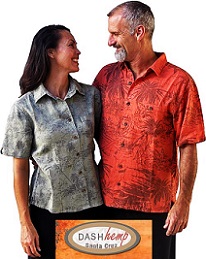
DASH HEMP SANTA CRUZ Upscale Hemp Clothing, Including 100% Hemp Jeans, Hand Loomed Shirts, Tops, and More
DRAGON WEAR Water proff Hemp Backpack, Hemp T-Shirt, Hemp Sunglasses, Hemp Bobble Beanie. Hemp Hat
EAST COAST HEMP SUPPLY The Latest Hemp Product Line, Hemptensils, Industrial Hemp Farm est 2017, Apparel, Pet Products, Hemp Food, Grow Supplies, Homegoods & Accessories, Hemp Plastic, Cannabinoid Products
ECO CHIC Hemp-Derived Eco-Plastic Manufacturing is Created With Hemp Fibers, Cups, Ice Cream Spoons, Bowls, Dinner Plates, Bio-Plastic T-Shiart Bags, Knife, Spoon, Fork, Cutlery
ECO ESSENTIALS Hemp V-neck T-Shirt, Hemp Ribbed Tank Top, Hemp Scoop Neck Tee, Heavy Hemp Leggings, Hemp Jersey Drawstring Pants, Hemp Terry Sweatpants, Hemp Terry Hoodie, Hemp Yoga Pants, Hemp Terry Sweatshirt, Hemp Active Shorts, Hemp Cargo Pants, Hemp Ankle Socks, Hemp Boxers
ECOOPIA NATURALS
Hemp T-shirt, Hemp Short Sleeve Shirt, Hemp Toque Hats,
Hemp Drawstring Pants, Hemp Zip Hoodie, Hemp Organic Cotton Jacket, Hemp Long Sleeve Dress Shirt, Hemp Tank Dress, Hemp Terry Sweatshirt, Hemp Hoodie, Hemp Socks, Hemp Yoga Pants, Hemp Leggings
FAERIE'S DANCE Hemp Clothing is All Grown Up. Stylish, Sophisticated Fashions Along with Organic Cotton, Soy and Bamboo
FOOT HEMP 100% Hemp Fabric With Proprietary HempGel, This Provides Daylong Cushioning, Cooling and Moisture Absorption With End of Day Relaxation for Tired Feet
GO GREEN HEMP CBD Products Are Derived From Organically Grown Hemp Containg 0.0% THC
GLOBAL HEMP Portal to The Hemp Community, Body Care, Books, Clothing, Crafts, Food, Jewerry, Twine
GODDESS GEAR
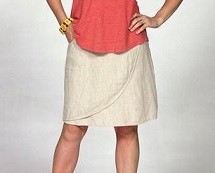
55% Hemp/45% Fleece - Pea Coat, 55% Hemp/45% Organic Cotton - Twill Jacket & Wrap Skirt - All Come in 3 Colors
GREEN COUNTY HEMP We Process Our Hemp, in a State-of-The-Art Facility, Where We Produce, CBD Oils, CBD Balms, & CBD Products
GREEN MOUNTAIN DIAPERS Hemp/Cotton Cloth Diapers
HEMP ACRES USA
Hemp Acres is a Hemp Processing Facility, Focused on Producing Hemp Grain, Hemp Seed Oil, Hemp Botanical Extracts, and Hemp Stalk
HEMP BLUE Sustainable Denim Made With Premium Hemp and Organic Cotton, Comfort, Quality, Wear Your Freedom, Live With Purpose, Consciously Crafted Built For Comfort, Durability, and Meaning, For Men and Woman
HEMP EYEWEAR We Create Limited Quantities of Distinctive, Handcrafted Hemp Eyewear That Honors Nature's Patterns and Celebrates The Wearer's Individuality
HEMP TRADERS A Wide Selection of Wholesale Hemp Products: Hemp Fabric, Rope, Twine, Yarn, Seeds, Fiber & Hurds
HEMP WOOD 20% Stronger Than Oak and 100 Times Faster to Grow, HempWood is One of The Most Eco-Friendly and Viable Wood Substitutes in The Word
HEMP AND COMPANY
Hemp Clothing and Products, With a Focus on Environmentalism, To Make The Most Loved Hemp Garments on This Beautiful Planet For as Many People as Possible, Men's and Women's Apparel, Accessories, and Home Goods, Clothing That Reflects Your Enviromental Commitment, Consciously Comfortable
HEMP GALLERY Organic Hemp Products, Ethically Made Using Premium Grown Hemp, Clothing, High Fashion, Design, Skincare, Body Care, Bed Linen, Accessories, Kitchen, Homewares, Soap, Skin Care, Baby, Children, Hemp Seed Oils, Seeds, Protein Powders, Paper, Sails, Food, Plastics, The Hemp Industry, is Vital For The Future
HEMP ORGANIC LIFE Discover a World of Exquisite Hemp Products, Explore our Diverse Selection of Items Made With Hemp, Hemp Bedding, Hemp Sleeping Bags, Hemp Socks, Hemp Slippers, Hemp Meditation Cushions, Hemp Pet Beds, Mat and Rugs, Hemp Accessories, Much More
HEMP3D Natural Fashion, Sunglasses Made With Hemp For a Greener and More Sustainable World, a Variety of Contemporary Designs Made From The Extraordinarily Fibrous Hemp Plant, Environmentally Friendly Alternatives, Bio-Based Hemp Composite, Earrings, Board Games and Much More
HEMPAK
Better Packaging, Better Planet, Made From Sustainable Hemp Plastic,
Biodegradable Hemp Rolling Tray, Child Resistant Hemp Jars
HEMPEST Alex Hemp Sneakers- Natural, The 100% Sustainable Hemp Upper is Made of High Grade Hemp and Provides Year-Round Comfort and Support Thanks to The Plants Natural Benefits, Cool in The Summer and Warm in The Winter, Anti-Microbial, Lightweight, Water-Resistant, and Extremely Durable
HEMPSMITH Durable Hemp Apparel, Discover Hemp Clothing, Where Sustainability Meets Style, Explore Our Collection of Quality Hemp Apparel, Designed to Last and Get Better With Time, Tees, Socks, Hats, Hoodies, Long Sleeves, Lounge Pants, Shorts, Button Downs
HEMPTIQUE Men and Womens Hemp Clothing, Hemp Products, Hemp Promotional Material, Hemp Bedding, Bags, Dog Toys, Lip Balm, Protein Powder, Rope, Towels, Socks, Hats
HIGH FALLS HEMP Explore Our Full-Spectrum CBD Collection, Crafted for Optimal Wellness. Whether You're Looking For CBD Oils, Gummies, Topicals, or Pet CBD
INPLANT GROW ROOMS
Grow Room Enclosures, Processing Rooms, Modular Building Systems are Customized for Commercial Farming-Cultivation Facility
INTERNATURAL Hemp Shampoo, Hemp Seed Oil, Hemp Rubs and Salves, Hemp Wash Mitt
JUNGMAVEN Women's Hemp Clothing, Made From a Lightweight, Buttery Hemp Blend, Perfectly Balanced With a Structured Yet Relaxed Fit Classy Enough to Elevate, Comfy Enough to Unwind
JUST CBD STORE The Best CBD Products with Discount, Perfect for Pain, Anxiety, Arthritis, Insomnia and Much More
KASPER ORGANICS Made in USA Hemp! Belts, Beanies and Lotsa Wallets. Nice Colors. Very Hip Eco-Gifts
MARGARET RIVER HEMP Hemp Skincare, Gift Boxes, Hair, Pets, Food, Clothing, Celebrating 30 Years of Delivering High-Quality Hemp Products
MOTHER HOLISTIC CBD, Face Cream, Drops, Capsules, Massage Oil, Pain Gel Freez, High Quality CBD, Hemp from Kentucky, FDA and GMP Certified.
NATIONAL HEMP ASSOCIATION Hemp Resource Hub, You'll Find Resources on Hemp, Nutrition, Literature, Infographics, Legislation, Education and More
NATURALLY CANADA
Hemp/Organic Cotton Jacket, Men's Hemp & Organic Cotton Sweat Pants,
Hemp Seamless Leggings, Hemp T-Shirt, Hemp Boxers,
Hemp Zip Hoodie, Mist Cardigan in Hemp, Hemp Ankle Socks, Hemp Yoga/Workout Pants, Hemp Zip Hoodie, Comfort with Durability
NOMADS HEMP WEAR Durable, Comfortable, Stylish Eco-Fashion Using Hemp, Organic Cotton, Bamboo, and Fair-Trade Practices, Including Yoga Wear, Intimates, Dresses, Tops, Bottoms, Accessories, Pioneers of Hemp and The Organic Eco Clothing For Over 20 Years, Taking Hemp from Hippy to Hip One Shirt at a Time
OPERA CAMPI We Craft The World's Softest and Finest 100% Hemp clothing, We Weave and Sew The Finest Hemp in a Modern Way, It' s The Most Sustainable and Durable Fiber According to Science, We Manufacture From Fabric to Finished Product
POETRY FASHION Hemp & Organic Cotton Jersey, Designed to Last, With its Strong and Durable Qualities, Our Unique Hemp, and Organic Cotton Blend, is Dyed and Washed to Create, a Textured Appearance, With a Loved, and Laundered Feel, Discover Your Favourite Silhouettes, Enjoy, The Natural Attributes, of Hemp and Organic Cotton
PRANA Hemp, Naturally Odor-Resistant Hemp Can Survive on Rainwater, Can Deduce The Need for Pesticides, Works to Replenish the Soil, and Can Produce More Fiber Per Acre Than Trees or Cotton, Short Sleeve Crew, Wide Leg Pant, Full Zip Sweatshirt, Scoop Tank, Cozy Up Crew Sweatshirt, Up Crop Hoodie, Lindores Shirt,
Pocket Dress,
ROYAL HEMP Hemp Footwear, Hemp Boots, Hemp Fashion, Yarn and Fabrics, Hemp Accessories, Health and Wellness, Handknitted Hemp Products, Hand Knitted Sleeveless Top
ROYAL ROBBINS Hemp Blend Ball Cap Hats,
Ball Cap Made of a Breathable, Sustainable Organic Cotton and Hemp blend, Hemp Hoodie, Sweaters Hemp, Women's Shirts, Men's Shirts,
Hempline Capri Women’s Pants, Women's Hempline Capri, Hempline Short Women’s Shorts, Men's Vacationer Polo, Women's Avonelle Sweatshirt
SANUK
Hemp Footwear, Step Into Eco-Friendly Comfort and Laid-Back Style With Our Hemp Footwear, From Casual Shoes to Relaxed Sandals, Find The Perfect Pair That Combines Sustainability and Fashion
SOAP FOR GOODNESS SAKE Hemp Towels, Hemp Organic Sports Socks, Hemp Handmade Soap
SOUL FLOWER Natural, Breathable, Durable Hemp Clothing like Hemp Pants and Hemp Accessories including Hemp Bags
SWEET SKINS Fresh Fashion in Hemp, Eco-Fleece and Other Conscious Materials
TAYLOR STITCH We've Harnessed The Hard Wearing, Eco-Friendly Benefits of Hemp to Create Our Most Responsible Gear to Date, From Sturdy Yet Lightweight 100% Hemp, 4-oz, 70% Organic Cotton, 30% Hemp, There's no Need For Compromise
THE CBD DISTILLERY CBD Oil, No Fluff, No Fillers,
Just Pure, Effective Cannabinoid Products, America's Most Trusted Provider of Hemp CBD, CBD Oil Isolate, and Other CBD Products
THE HEMP DIVISION CBD-Infused Teas, Elixirs & More, Our Body-Relaxing, Mood-Elevating Hemp Infusions Deliver a Cool, Calm, and Delicious Experience Like no Other
THEHEMP PLASTIC COMPANY Innovative Biocomposite and Bioplastic Plastic Alternatives That Can Reduce Your Carbon Footprint and Plastic Use, Eco-Friendly Biocomposite Alternatives to Traditional Plastics
TOAD & CO We Think Highly of Hemp, Low Environmental Impact and Serious Superpowers When It's Made Into Clothes, Hemp Clothing, Hemp is Comfortable Naturally Breathable, Absorbent, Durable, and antimicrobial, Anti-Stink, Over Time, Hemp Continues to Get Softer
TRUHUGS Organic Hemp Cotton Weighted Blanket, A Weighted Comforter That Maintains Pressure as You Move and Sleep, Continuously Provide Gentle Equalized Pressure, All Around The Body, The Weighted Blanket Experience For Hyper-Sensitives, Pick Your Weight, 15 lbs, 23 lbs, 30 lbs, 15 lbs, Cocoon Yourself
TRUE HEMP SCIENCE CBD Gummies, Topicals, CBD Oil, Water Soluble, Skin Care, Edibles, Pet, Minerals
THE VEGETARIAN SITE Hemp Wallets, Bags, Purses, Shoes, Belts, and More
UPLAND ROAD High Quality, Sturdy Sustainable Hemp Blankets, Hemp Dog Harness, Rope Dog Chew, Decorative Dog Collar
WARFIGHTER HEMP Organic CBD, A Non-Addictive, Non-Psychoactive Means to Manage Pain, Lower Anxiety, and Improve the Overall Quality of Lives
WHOLESALE HEMP CBD We Provide Wholesale CBD Isolate, Distillate, Bulk CBD Seeds and White Label CBD Products
8000 KICKS The Most Ecofriendly, Durable and Comfortable Hemp Shoes Ever Built, Minimalist and Fashionable For Every Occasion, Hemp Backpacks, Get Sustainable Shoes That Are Vegan, Waterproof & Carbon Neutra, Super Comfortable and Durable, Hemp up Your Sustainable Lifestyle
AFENDS Our Clothing Made Out of Hemp and Cotton Blend Jersey Fabrication is Incredibly Soft and Breathable, Delivering All Day Comfort With a Natural, Relaxed Feel, Pair It With The Jones Hemp Pant or Short For a Coordinated Look, Biodegradable Fibres, Antimicrobial & Antibacterial,
Hemp is Better For The Planet
AJJAYA Handmade Ethical Clothing, Natural Fabrics, Earthy Clothing, Eco-Friendly Clothing, Womens Clothing, Shaman Clothing, Family-Owned Clothing Brand Committed to Eco-Conscious Values,
Sustainable and Ethical Practices, For The Benefit of Humans, Animals and Our Planet
BULK HEMP WEARHOUSE
Premium Hemp Products That Can Help You Make a Difference in The World,
Hemp Apparel, Hemp Fabrics, Hemp Fibers, Hemp Foods, Hemp Rope, Hemp Seed Oil. Hemp Bags, Hemp Twine
CHARLOTTS WEB Premium Hemp Supplements and Plant-Based Solutions Offer a Wealth of Wellness Benefits, Harnessing The Synergy of Nature's Finest Ingredients
DASH HEMP SANTA CRUZ Upscale Hemp Clothing, Including 100% Hemp Jeans, Hand Loomed Shirts, Tops, and More
DRAGON WEAR Water proff Hemp Backpack, Hemp T-Shirt, Hemp Sunglasses, Hemp Bobble Beanie. Hemp Hat
EAST COAST HEMP SUPPLY The Latest Hemp Product Line, Hemptensils, Industrial Hemp Farm est 2017, Apparel, Pet Products, Hemp Food, Grow Supplies, Homegoods & Accessories, Hemp Plastic, Cannabinoid Products
ECO CHIC Hemp-Derived Eco-Plastic Manufacturing is Created With Hemp Fibers, Cups, Ice Cream Spoons, Bowls, Dinner Plates, Bio-Plastic T-Shiart Bags, Knife, Spoon, Fork, Cutlery
ECO ESSENTIALS Hemp V-neck T-Shirt, Hemp Ribbed Tank Top, Hemp Scoop Neck Tee, Heavy Hemp Leggings, Hemp Jersey Drawstring Pants, Hemp Terry Sweatpants, Hemp Terry Hoodie, Hemp Yoga Pants, Hemp Terry Sweatshirt, Hemp Active Shorts, Hemp Cargo Pants, Hemp Ankle Socks, Hemp Boxers
ECOOPIA NATURALS
Hemp T-shirt, Hemp Short Sleeve Shirt, Hemp Toque Hats,
Hemp Drawstring Pants, Hemp Zip Hoodie, Hemp Organic Cotton Jacket, Hemp Long Sleeve Dress Shirt, Hemp Tank Dress, Hemp Terry Sweatshirt, Hemp Hoodie, Hemp Socks, Hemp Yoga Pants, Hemp Leggings
FAERIE'S DANCE Hemp Clothing is All Grown Up. Stylish, Sophisticated Fashions Along with Organic Cotton, Soy and Bamboo
FOOT HEMP 100% Hemp Fabric With Proprietary HempGel, This Provides Daylong Cushioning, Cooling and Moisture Absorption With End of Day Relaxation for Tired Feet
GO GREEN HEMP CBD Products Are Derived From Organically Grown Hemp Containg 0.0% THC
GLOBAL HEMP Portal to The Hemp Community, Body Care, Books, Clothing, Crafts, Food, Jewerry, Twine
GODDESS GEAR
55% Hemp/45% Fleece - Pea Coat, 55% Hemp/45% Organic Cotton - Twill Jacket & Wrap Skirt - All Come in 3 Colors
GREEN COUNTY HEMP We Process Our Hemp, in a State-of-The-Art Facility, Where We Produce, CBD Oils, CBD Balms, & CBD Products
GREEN MOUNTAIN DIAPERS Hemp/Cotton Cloth Diapers
HEMP ACRES USA
Hemp Acres is a Hemp Processing Facility, Focused on Producing Hemp Grain, Hemp Seed Oil, Hemp Botanical Extracts, and Hemp Stalk
HEMP BLUE Sustainable Denim Made With Premium Hemp and Organic Cotton, Comfort, Quality, Wear Your Freedom, Live With Purpose, Consciously Crafted Built For Comfort, Durability, and Meaning, For Men and Woman
HEMP EYEWEAR We Create Limited Quantities of Distinctive, Handcrafted Hemp Eyewear That Honors Nature's Patterns and Celebrates The Wearer's Individuality
HEMP TRADERS A Wide Selection of Wholesale Hemp Products: Hemp Fabric, Rope, Twine, Yarn, Seeds, Fiber & Hurds
HEMP WOOD 20% Stronger Than Oak and 100 Times Faster to Grow, HempWood is One of The Most Eco-Friendly and Viable Wood Substitutes in The Word
HEMP AND COMPANY
Hemp Clothing and Products, With a Focus on Environmentalism, To Make The Most Loved Hemp Garments on This Beautiful Planet For as Many People as Possible, Men's and Women's Apparel, Accessories, and Home Goods, Clothing That Reflects Your Enviromental Commitment, Consciously Comfortable
HEMP GALLERY Organic Hemp Products, Ethically Made Using Premium Grown Hemp, Clothing, High Fashion, Design, Skincare, Body Care, Bed Linen, Accessories, Kitchen, Homewares, Soap, Skin Care, Baby, Children, Hemp Seed Oils, Seeds, Protein Powders, Paper, Sails, Food, Plastics, The Hemp Industry, is Vital For The Future
HEMP ORGANIC LIFE Discover a World of Exquisite Hemp Products, Explore our Diverse Selection of Items Made With Hemp, Hemp Bedding, Hemp Sleeping Bags, Hemp Socks, Hemp Slippers, Hemp Meditation Cushions, Hemp Pet Beds, Mat and Rugs, Hemp Accessories, Much More
HEMP3D Natural Fashion, Sunglasses Made With Hemp For a Greener and More Sustainable World, a Variety of Contemporary Designs Made From The Extraordinarily Fibrous Hemp Plant, Environmentally Friendly Alternatives, Bio-Based Hemp Composite, Earrings, Board Games and Much More
HEMPAK
Better Packaging, Better Planet, Made From Sustainable Hemp Plastic,
Biodegradable Hemp Rolling Tray, Child Resistant Hemp Jars
HEMPEST Alex Hemp Sneakers- Natural, The 100% Sustainable Hemp Upper is Made of High Grade Hemp and Provides Year-Round Comfort and Support Thanks to The Plants Natural Benefits, Cool in The Summer and Warm in The Winter, Anti-Microbial, Lightweight, Water-Resistant, and Extremely Durable
HEMPSMITH Durable Hemp Apparel, Discover Hemp Clothing, Where Sustainability Meets Style, Explore Our Collection of Quality Hemp Apparel, Designed to Last and Get Better With Time, Tees, Socks, Hats, Hoodies, Long Sleeves, Lounge Pants, Shorts, Button Downs
HEMPTIQUE Men and Womens Hemp Clothing, Hemp Products, Hemp Promotional Material, Hemp Bedding, Bags, Dog Toys, Lip Balm, Protein Powder, Rope, Towels, Socks, Hats
HIGH FALLS HEMP Explore Our Full-Spectrum CBD Collection, Crafted for Optimal Wellness. Whether You're Looking For CBD Oils, Gummies, Topicals, or Pet CBD
INPLANT GROW ROOMS
Grow Room Enclosures, Processing Rooms, Modular Building Systems are Customized for Commercial Farming-Cultivation Facility
INTERNATURAL Hemp Shampoo, Hemp Seed Oil, Hemp Rubs and Salves, Hemp Wash Mitt
JUNGMAVEN Women's Hemp Clothing, Made From a Lightweight, Buttery Hemp Blend, Perfectly Balanced With a Structured Yet Relaxed Fit Classy Enough to Elevate, Comfy Enough to Unwind
JUST CBD STORE The Best CBD Products with Discount, Perfect for Pain, Anxiety, Arthritis, Insomnia and Much More
KASPER ORGANICS Made in USA Hemp! Belts, Beanies and Lotsa Wallets. Nice Colors. Very Hip Eco-Gifts
MARGARET RIVER HEMP Hemp Skincare, Gift Boxes, Hair, Pets, Food, Clothing, Celebrating 30 Years of Delivering High-Quality Hemp Products
MOTHER HOLISTIC CBD, Face Cream, Drops, Capsules, Massage Oil, Pain Gel Freez, High Quality CBD, Hemp from Kentucky, FDA and GMP Certified.
NATIONAL HEMP ASSOCIATION Hemp Resource Hub, You'll Find Resources on Hemp, Nutrition, Literature, Infographics, Legislation, Education and More
NATURALLY CANADA
Hemp/Organic Cotton Jacket, Men's Hemp & Organic Cotton Sweat Pants,
Hemp Seamless Leggings, Hemp T-Shirt, Hemp Boxers,
Hemp Zip Hoodie, Mist Cardigan in Hemp, Hemp Ankle Socks, Hemp Yoga/Workout Pants, Hemp Zip Hoodie, Comfort with Durability
NOMADS HEMP WEAR Durable, Comfortable, Stylish Eco-Fashion Using Hemp, Organic Cotton, Bamboo, and Fair-Trade Practices, Including Yoga Wear, Intimates, Dresses, Tops, Bottoms, Accessories, Pioneers of Hemp and The Organic Eco Clothing For Over 20 Years, Taking Hemp from Hippy to Hip One Shirt at a Time
OPERA CAMPI We Craft The World's Softest and Finest 100% Hemp clothing, We Weave and Sew The Finest Hemp in a Modern Way, It' s The Most Sustainable and Durable Fiber According to Science, We Manufacture From Fabric to Finished Product
POETRY FASHION Hemp & Organic Cotton Jersey, Designed to Last, With its Strong and Durable Qualities, Our Unique Hemp, and Organic Cotton Blend, is Dyed and Washed to Create, a Textured Appearance, With a Loved, and Laundered Feel, Discover Your Favourite Silhouettes, Enjoy, The Natural Attributes, of Hemp and Organic Cotton
PRANA Hemp, Naturally Odor-Resistant Hemp Can Survive on Rainwater, Can Deduce The Need for Pesticides, Works to Replenish the Soil, and Can Produce More Fiber Per Acre Than Trees or Cotton, Short Sleeve Crew, Wide Leg Pant, Full Zip Sweatshirt, Scoop Tank, Cozy Up Crew Sweatshirt, Up Crop Hoodie, Lindores Shirt,
Pocket Dress,
ROYAL HEMP Hemp Footwear, Hemp Boots, Hemp Fashion, Yarn and Fabrics, Hemp Accessories, Health and Wellness, Handknitted Hemp Products, Hand Knitted Sleeveless Top
ROYAL ROBBINS Hemp Blend Ball Cap Hats,
Ball Cap Made of a Breathable, Sustainable Organic Cotton and Hemp blend, Hemp Hoodie, Sweaters Hemp, Women's Shirts, Men's Shirts,
Hempline Capri Women’s Pants, Women's Hempline Capri, Hempline Short Women’s Shorts, Men's Vacationer Polo, Women's Avonelle Sweatshirt
SANUK
Hemp Footwear, Step Into Eco-Friendly Comfort and Laid-Back Style With Our Hemp Footwear, From Casual Shoes to Relaxed Sandals, Find The Perfect Pair That Combines Sustainability and Fashion
SOAP FOR GOODNESS SAKE Hemp Towels, Hemp Organic Sports Socks, Hemp Handmade Soap
SOUL FLOWER Natural, Breathable, Durable Hemp Clothing like Hemp Pants and Hemp Accessories including Hemp Bags
SWEET SKINS Fresh Fashion in Hemp, Eco-Fleece and Other Conscious Materials
TAYLOR STITCH We've Harnessed The Hard Wearing, Eco-Friendly Benefits of Hemp to Create Our Most Responsible Gear to Date, From Sturdy Yet Lightweight 100% Hemp, 4-oz, 70% Organic Cotton, 30% Hemp, There's no Need For Compromise
THE CBD DISTILLERY CBD Oil, No Fluff, No Fillers,
Just Pure, Effective Cannabinoid Products, America's Most Trusted Provider of Hemp CBD, CBD Oil Isolate, and Other CBD Products
THE HEMP DIVISION CBD-Infused Teas, Elixirs & More, Our Body-Relaxing, Mood-Elevating Hemp Infusions Deliver a Cool, Calm, and Delicious Experience Like no Other
THEHEMP PLASTIC COMPANY Innovative Biocomposite and Bioplastic Plastic Alternatives That Can Reduce Your Carbon Footprint and Plastic Use, Eco-Friendly Biocomposite Alternatives to Traditional Plastics
TOAD & CO We Think Highly of Hemp, Low Environmental Impact and Serious Superpowers When It's Made Into Clothes, Hemp Clothing, Hemp is Comfortable Naturally Breathable, Absorbent, Durable, and antimicrobial, Anti-Stink, Over Time, Hemp Continues to Get Softer
TRUHUGS Organic Hemp Cotton Weighted Blanket, A Weighted Comforter That Maintains Pressure as You Move and Sleep, Continuously Provide Gentle Equalized Pressure, All Around The Body, The Weighted Blanket Experience For Hyper-Sensitives, Pick Your Weight, 15 lbs, 23 lbs, 30 lbs, 15 lbs, Cocoon Yourself
TRUE HEMP SCIENCE CBD Gummies, Topicals, CBD Oil, Water Soluble, Skin Care, Edibles, Pet, Minerals
THE VEGETARIAN SITE Hemp Wallets, Bags, Purses, Shoes, Belts, and More
UPLAND ROAD High Quality, Sturdy Sustainable Hemp Blankets, Hemp Dog Harness, Rope Dog Chew, Decorative Dog Collar
WARFIGHTER HEMP Organic CBD, A Non-Addictive, Non-Psychoactive Means to Manage Pain, Lower Anxiety, and Improve the Overall Quality of Lives
WHOLESALE HEMP CBD We Provide Wholesale CBD Isolate, Distillate, Bulk CBD Seeds and White Label CBD Products




World Health Organization study declares that CBD is safe and not addictive.
CBD (Cannabidiol) found in the resinous flower of cannabis, a plant with a rich history as medicine going back thousands of years. A safe, non-addictive substance.

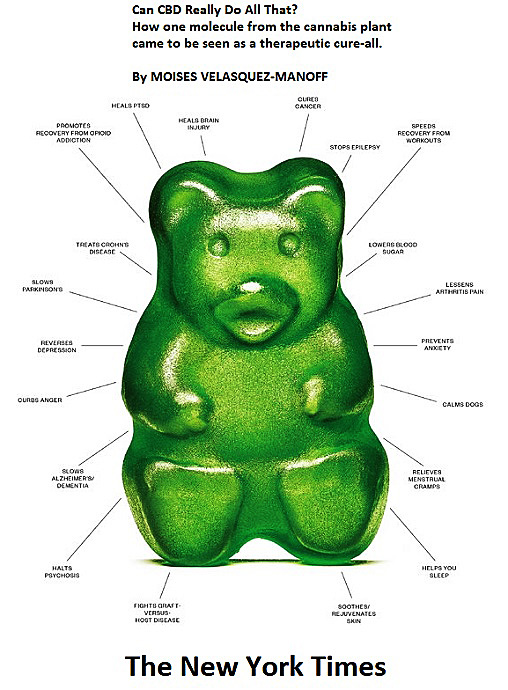
New York Times - Why is CBD Everywhere?
CBD - Reduces Inflammation - Reduces Anxiety - Stabilizes Blood Sugar Levels - Helps with Pain - Helps with Stress - Combats Nausea - Combats Depression
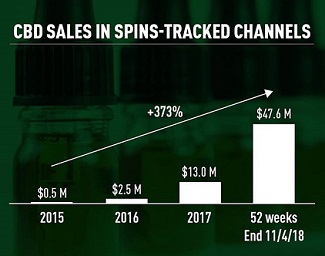
CBD is a 100 percent natural, plant-based compound derived from the hemp plant.
What People are Saying about the Benefits of CBD - It Relieves Pain - Reduces Anxiety and Depression - Can Alleviate Cancer-Related Symptoms - Helps Neurological Disorders - Good Heart Health - Antipsychotic Effects: Studies Suggest that CBD May Help People with Schizophrenia and other Mental Disorders - Substance Abuse Treatment: CBD has Been Shown to Modify Circuits in the Brain Related to Drug Addiction - Anti-Tumor Effects. In Animals, it has Been Shown to Prevent the Spread of Breast, Prostate, Brain, Colon and lung Cancer
Cannabis was banned in the year 1937, till then it was the 3rd most frequently prescribed medicine.
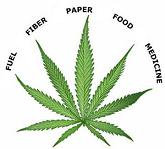
Hemp is one of the most environmentally friendly crops on Earth, and its cultivation and use offer many numerous benefits to the environment and self.
HEMP PANTS
Is industrial hemp the same as marijuana?
No. Even though they are both Cannabis sativa L., Industrial hemp is the non-psychoactive, low-THC, oilseed and fiber varieties of the Cannabis sativa plant. Hemp has absolutely no use as a recreational drug.
Hemp fiber has been used thousands of years, materials made from hemp were discovered in tombs dating back to 8,000 BC.
Hemp is an alternative crop that can be farmed with little or no chemicals and is a sustainable natural resource.
"Why use up the forests that were centuries in the making - if you can get the equivalent in the growing of hemp fields?" - Henry Ford
"Make the most of the Indian hemp seed and sow it everywhere." - George Washington, 1794
Hemp Breathes in 4X the Carbon Dioxide of Trees
Hemp is better than cotton that depletes the soil of nutrients, hemp can be grown consecutively for 20 years without affecting the soil.
Hemp saves water! Hemp uses only 1/20th the amount of water as cotton to grow and process.
Hemp has four times the strength of cotton.
In 1938, the magazine Popular Mechanics called hemp the “New Billion Dollar Crop” because researchers had discovered that hemp could be used to manufactory over 25,000 different kinds of products.
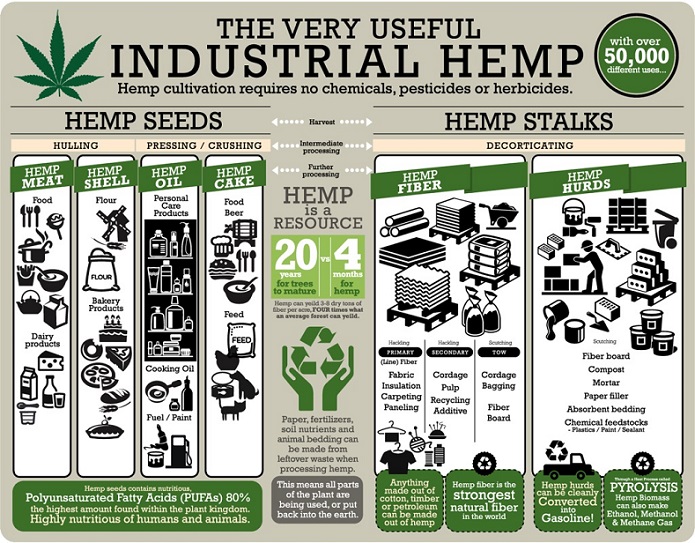
What did the Gutenberg bible, Christopher Columbus' ropes and sails, the Declaration of Independence and the first American flag have in common? They were all made from hemp, a crop so versatile it can be used to make cloth, paper, even food.
Hemp Fact: 80% of all textiles, fabrics, clothes, linen, drapes, bed sheets, etc., were made from hemp until the 1820s, with the introduction of cotton gin, All schoolbooks were made from hemp or flax paper until the 1880s.
"Global Market for Hemp Consists of More than 25,000 Products." - Congressional Research Service
“Hemp can be grown on marginal land, so unlike cotton, it doesn't displace food crops. The deep root structures of the crop also protect the soil against erosion. Like linen, hemp can be grown without agro-chemicals. Hemp also has the highest yield of all natural textiles, with up to double the fibre yield per hectare than cotton.” -Summer Edwards
*These statements have not been evaluated by the Food and Drug Administration. Products are not intended to diagnose, treat, cure, or prevent any disease. EcoMall.com advertisers products are to be used for only lawful purposes and the responsibility of the purchaser to know and abide by all laws pertaining to the use of their product. EcoMall.com will not be held liable for any unlawful State, Federal or International activity arising out of the post-sale use of the products and by purchasing advertisers products, the purchaser is agreeing to these terms & conditions. To prevent products from being classified as drugs under Section 201(g) of the Federal Food, Drug and Cosmetic Act, we are required to inform you that there is no intention, implied or otherwise that represents or infers that these products or statements be used in the cure, diagnosis, mitigation, treatment, or prevention of any disease. We strongly advise that for medical issues you consult a physician. The statements made regarding these products have not been evaluated by the Food and Drug Administration. The efficacy of these products has not been confirmed by FDA-approved research. These products are not intended to diagnose, treat, cure or prevent any disease. All information presented here is not meant as a substitute for or alternative to information from health care practitioners. Please consult your health care professional about potential interactions or other possible complications before using any product. The Federal Food, Drug and Cosmetic Act requires this notice.

IN-HOUSE RESOURCES