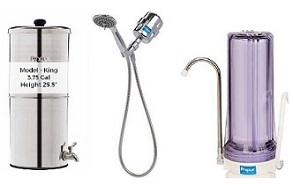
 ALTERNATIVE ENERGY STORE Retailer of Solar & Wind Power Water Pumping Systems. Free Pumping Seminars
APEC WATER Whole House Water Filtration Systems Remove Fluoride Chlorine & are Designed to Provide Unmatched Clarity and Quality at Every Tap
AQUASANA
Maximum-Flow Whole House Water Filtration System Reduces 97% of Chlorine
AQUATRU WATER Avoid Bottled Water Cost & Pollution, by Creating Your Own Pure, Delicious Water From Tap, Powerful Countertop Purifier For Clean, Great-Tasting Water, 4-stage Ultra Reverse Osmosis System,
Long-lasting, Easy-To-Change Filters, No Installation or Plumbing Required
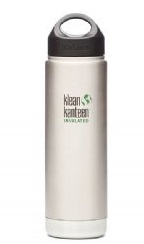
BABY NATUROPATHICS Full Selection of Klean Kanteen Stainless Steel Reusable Bottles All Sizes and Colors and Accessories
BOXED WATER We're a Sustainable Alternative to Plastic Water Bottles and Aluminum Cans, Small Choice, Big Impact, Better for Our Planet, Our Paper-Based Cartons, Lower Environmental Impact, Than Premium Plastic Bottles and Canned Water, 92% Plant-Based Carton, 100% Pure Water
CANARSEE Use Less Energy for Heating, Plumbing, and HVAC Needs with Energy Efficient Pumps, Thermostats, Water Heaters
CLEARLY FILTERED High End Water Pitchers & Under Sink Filtration System, Tested for Fluoride Removal & More, Enjoy Healthy Water Everyday, Superior Filters Superior Safety, Experience Advanced Filtration, The Proprietary Technology That Powers Our Water Filters Protects You, So You Can Trust Every Drop
ECODIRECT Reduce your Water-Heating Load with a Tankless Water Heater, Cut the Cost of your Utility Bill
EXPRESS WATER Whole House Water Filtration Systems Eliminate Impurities From The Water, Which Can Have Harmful Effects During Your Shower and Cooking
INSPIREDLIVING.COM Water Filters for Showers, Baths, Kitchens, Whole House, Gardens, Travel, Chlorine, Chloramine, Fluoride, Nitrates, Hardness
LUX & ECO
Water Filter Pitcher, High Water Fountains, Stainless Water Bottle and more
PURE LIVING SPACE
Tested and Certified, Drinking Water Filters, Shower Filters, Whole House Filters, Water Filters that Remove Fluoride
SOLAR DIRECT Factory Direct Prices: Pool Heaters, Solar Water Heaters, Solar Electric, Energy Savers, Pool and Spa
SOLAR INDUSTRIES Solar Pool Heaters, Made in the USA Since 1976 - Extend Your Swim Season with Free Heat From the Sun
SOOTHING COMPANY Adding an Indoor Wall Fountain to Your Home or Office is Quite Simply The Easiest Way to Bring Nature Indoors
SWEETWATER Home Water Filtration Systems for the Health Conscious Consumer, If Youd Like to Experience Healthy Water in Your Home
THE BIRDHOUSE CHICK Entice More Birds with Moving Water - an Amazing Difference,Moving Water is an Absolute Magnet for Wild Birds
WATER GALLERY Luxury Indoor Fountains, Bubble Walls and Garden Water Features
WEDDELL WATER
Duo Shower Filter is, The Ultimate Solution, For Cleaner, Healthier Showers, Removes 99% of Chlorine, PFAS, and Particulates, The #1 NSF Certified Shower Filter in Performance, Clinically Tested, to Improve Skin Hydration, and Scalp Health, Dermatologist Approved, Easy Installation
ALTERNATIVE ENERGY STORE Retailer of Solar & Wind Power Water Pumping Systems. Free Pumping Seminars
APEC WATER Whole House Water Filtration Systems Remove Fluoride Chlorine & are Designed to Provide Unmatched Clarity and Quality at Every Tap
AQUASANA
Maximum-Flow Whole House Water Filtration System Reduces 97% of Chlorine
AQUATRU WATER Avoid Bottled Water Cost & Pollution, by Creating Your Own Pure, Delicious Water From Tap, Powerful Countertop Purifier For Clean, Great-Tasting Water, 4-stage Ultra Reverse Osmosis System,
Long-lasting, Easy-To-Change Filters, No Installation or Plumbing Required
BABY NATUROPATHICS Full Selection of Klean Kanteen Stainless Steel Reusable Bottles All Sizes and Colors and Accessories
BOXED WATER We're a Sustainable Alternative to Plastic Water Bottles and Aluminum Cans, Small Choice, Big Impact, Better for Our Planet, Our Paper-Based Cartons, Lower Environmental Impact, Than Premium Plastic Bottles and Canned Water, 92% Plant-Based Carton, 100% Pure Water
CANARSEE Use Less Energy for Heating, Plumbing, and HVAC Needs with Energy Efficient Pumps, Thermostats, Water Heaters
CLEARLY FILTERED High End Water Pitchers & Under Sink Filtration System, Tested for Fluoride Removal & More, Enjoy Healthy Water Everyday, Superior Filters Superior Safety, Experience Advanced Filtration, The Proprietary Technology That Powers Our Water Filters Protects You, So You Can Trust Every Drop
ECODIRECT Reduce your Water-Heating Load with a Tankless Water Heater, Cut the Cost of your Utility Bill
EXPRESS WATER Whole House Water Filtration Systems Eliminate Impurities From The Water, Which Can Have Harmful Effects During Your Shower and Cooking
INSPIREDLIVING.COM Water Filters for Showers, Baths, Kitchens, Whole House, Gardens, Travel, Chlorine, Chloramine, Fluoride, Nitrates, Hardness
LUX & ECO
Water Filter Pitcher, High Water Fountains, Stainless Water Bottle and more
PURE LIVING SPACE
Tested and Certified, Drinking Water Filters, Shower Filters, Whole House Filters, Water Filters that Remove Fluoride
SOLAR DIRECT Factory Direct Prices: Pool Heaters, Solar Water Heaters, Solar Electric, Energy Savers, Pool and Spa
SOLAR INDUSTRIES Solar Pool Heaters, Made in the USA Since 1976 - Extend Your Swim Season with Free Heat From the Sun
SOOTHING COMPANY Adding an Indoor Wall Fountain to Your Home or Office is Quite Simply The Easiest Way to Bring Nature Indoors
SWEETWATER Home Water Filtration Systems for the Health Conscious Consumer, If Youd Like to Experience Healthy Water in Your Home
THE BIRDHOUSE CHICK Entice More Birds with Moving Water - an Amazing Difference,Moving Water is an Absolute Magnet for Wild Birds
WATER GALLERY Luxury Indoor Fountains, Bubble Walls and Garden Water Features
WEDDELL WATER
Duo Shower Filter is, The Ultimate Solution, For Cleaner, Healthier Showers, Removes 99% of Chlorine, PFAS, and Particulates, The #1 NSF Certified Shower Filter in Performance, Clinically Tested, to Improve Skin Hydration, and Scalp Health, Dermatologist Approved, Easy Installation

WATERAID WaterAid is an international charity dedicated to helping people escape the stranglehold of poverty and disease caused by living without safe water and sanitation.
WATER.ORG For more than two decades, Water.org has pioneered innovative, community-driven, market-based solutions that help people gain access to safe water and sanitation.
What You Can Do To Water Less
• Fix leaky faucets and toilets (A small leak from a faucet can waste 50 gallons of water a day and a leaky toilet can waste 260 gallons a day.)
• Always wash full loads of clothes and dishes. (Washing machines use 30 to 60 gallons of water for the wash cycle)
• Install high efficiency showerheads, faucets and toilets. (High efficiency showerheads, which cost about $15, can reduce water use by 50%. Water efficient toilets use 50 to 80% less water.)
• Water lawns and gardens in the evening or early in the morning to avoid excessive evaporation. As much as 30 percent of water can be lost to evaporation by watering during midday (On average, about 35% of household water goes to tending yards)
• Replant your yard with native wildflowers, shrubs, grasses and groundcovers.(Native plants are less-water intensive especially in arid climates)
• Use fertilizers and pesticides sparingly and carefully. (Residential use of pesticides accounts for about 8% of all pesticide applications. Urban runoff accounts for about 14% of common water pollution and just over half of that is due to residential use of fertilizers).
• Sweep driveways, sidewalks, and steps rather than hosing off.
• Wash the car with water from a bucket, or consider using a commercial car wash that recycles water.
• If you have a pool, use a cover to reduce evaporation when pool is not being used.
• Water your lawn only when it needs it. An easy way to tell if your lawn needs water is to simply walk across the grass. If you leave footprints, it's time to water. .
• Use drip irrigation systems in gardens and landscaping instead of hose sprayers or sprinklers
Indoor Conservation Tips
1. By turning off the water when you brush your teeth you can save 8 gallons per day.
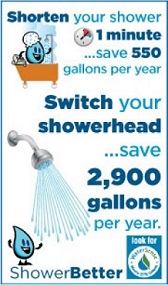
2. If you shorten your showers by one or two minutes, you can save 5 gallons per day, per shower.
3. Fix leaky faucets and save 20 gallons per day.
4. Washing only full loads of laundry can save 15 to 50 gallons per load.
5. Replace old toilets with High Efficiency Toilets (HET).
6. Replace your clothes washer with an Energy Star approved clothes washer.
7. Use your water meter to check for hidden water leaks.
8. Don’t use the toilet as an ashtray or wastebasket.
9. Insulate your water pipes.
10. Install water-saving shower heads and low-flow faucet aerators.
11. Only wash full dishwasher loads.
12. When washing dishes by hand, don’t leave the water running for rinsing.
13. Check for toilet leaks by adding food coloring to the tank and waiting to see if coloring appears in bowl. Then flush to make sure tank is not stained.
14. Don’t let water run while shaving.
15. Store drinking water in the refrigerator. Don’t run the tap until it gets cold.
16. Use the garbage disposal sparingly.
17. When cleaning out fish tanks, give the nutrient-rich water to your plants.
18. Don’t use running water to thaw food.
19. If the toilet flush handle frequently sticks in the flush position, letting water run constantly, replace or adjust it.Outdoor Conservation Tips
1. Watering your yard only before 8 a.m. to reduce evaporation and interference from wind can save 25 gallons per day.
2. Installing a smart sprinkler controller can save 40 gallons per day.
3. If you use a broom instead of a hose to clean driveways and sidewalks, you can save 150 gallons each time.
4. Checking your sprinkler system for leaks, overspray and broken sprinkler heads can save 500 gallons a month.
5. Mulch! Save hundreds of gallons a year by using organic mulch around plants to reduce evaporation.
6. Plant flowers/trees/bushes that require less watering. Select plants that are appropriate for your local climate conditions.
7. Use a shut-off nozzle on your hose.
8. Raise the lawn mower blade to at least three inches. A higher cut encourages grass roots to grow deeper, shades the root system and holds soil moisture better than a closely-clipped lawn.
9. Collect water from your roof to water your garden.

IN-HOUSE RESOURCES